
Natural Solutions for Pet Hair Loss: Regrowing Your Pet's Coat

| Modified on Apr 20, 2026
Add New Post Comments

At a Glance: Natural Remedies for Hair (Fur) Loss in Pets

  • Hair loss (alopecia) is usually a symptom—parasites, allergies, hormones, or nutrition.
  • Address the root cause first, then use natural remedies to support regrowth.
  • Skin health = coat health: reduce inflammation, balance microbes, and nourish follicles.

Fur Loss Remedies

Hair loss in dogs and cats can show up as thinning fur, bald patches, or excessive shedding. For Earth Clinic readers, the most successful approaches combine parasite control, nutrition, and targeted topical remedies.

Quick Nav:

Common Causes of Hair Loss in Pets
Patterns That Help Identify the Cause
Ted’s Mange Remedy (Borax Protocol)
Top Natural Remedies for Fur Regrowth
Yeast & “Corn Chip Smell” Fix
Allergy-Driven Hair Loss
Seasonal & Hormonal Hair Loss
Topical Treatments
Over-Bathing Warning
Stress & Over-Grooming (Cats)
When to See a Veterinarian


Common Causes of Hair Loss in Pets

  • Parasites (fleas, mites, mange)
  • Allergies (food or environmental)
  • Yeast or fungal overgrowth
  • Hormonal imbalance (e.g., hypothyroidism)
  • Nutritional deficiencies
  • Stress or anxiety (especially in cats)

Patterns That Help Identify the Cause

  • Base of tail: fleas
  • Face/ears: mites or mange
  • Symmetrical sides: hormonal (thyroid or seasonal)
  • Belly/legs (cats): over-grooming from stress
  • Greasy coat + odor: yeast

Ted’s Mange Remedy (Borax Protocol)

One of the most well-known Earth Clinic remedies for unexplained hair loss is Ted’s Mange Remedy, often used for mites, mange, and fungal-related shedding.

Basic Concept

  • Uses diluted hydrogen peroxide and borax
  • Applied as a rinse to the coat
  • Targets mites and fungal organisms

This protocol is widely discussed for stubborn cases of hair loss where parasites are suspected but not confirmed.

Important: Always research proper dilution and avoid eyes, nose, and mouth. Use cautiously, especially in small or sensitive pets.


Top Natural Remedies for Fur Regrowth

Coconut Oil

  • MCTs help support metabolism
  • Improves dry, flaky skin
  • Can be used internally and topically

Fish Oil (Omega-3s)

  • Reduces inflammation
  • Improves coat thickness and shine

Blackstrap Molasses

  • Rich in iron, copper, and B vitamins
  • Supports follicle health and coat color

Diatomaceous Earth (Food Grade)

  • Internal: supports removal of parasites
  • Topical: helps control fleas and mites

Note: Avoid inhalation when applying DE topically.

Apple Cider Vinegar (ACV)

  • Supports digestion and pH balance
  • Can be diluted and used as a rinse

Yeast & “Corn Chip Smell” Fix

A musty or “corn chip” smell often indicates yeast overgrowth—a major cause of itching and hair loss.

Key Strategies

  • Reduce grains and sugars in diet
  • Use ACV rinses
  • Hydrogen peroxide foot or skin soaks (properly diluted)

Controlling yeast often stops the itch-scratch-hair loss cycle.


Allergy-Driven Hair Loss

Pets with allergies often chew or lick their fur off.

Quercetin (“Nature’s Benadryl”)

  • Helps stabilize histamine response
  • Reduces itching and inflammation

Seasonal & Hormonal Hair Loss

Some dogs develop seasonal flank alopecia, losing hair on their sides during winter months.

Melatonin

  • Supports hair growth cycle
  • Common holistic approach for seasonal hair loss

Topical Treatments for Skin & Coat

  • Aloe vera (pure, soothing)
  • Oatmeal baths (anti-itch)
  • Chamomile tea rinse (calming)
  • Coconut oil (moisturizing)

Over-Bathing Warning

Over-bathing is a common mistake.

  • Strips natural oils (sebum)
  • Can worsen dryness and hair loss

Use gentle or occasional washing, and consider:

  • Water-only rinses
  • ACV rinses between baths

Stress & Over-Grooming (Psychogenic Alopecia)

Especially in cats, stress can lead to excessive grooming and hair loss.

Natural Support

  • Flower essences (e.g., Rescue Remedy)
  • Calming pheromone diffusers
  • Environmental enrichment

Addressing emotional stress is often key to regrowth.


When to See a Veterinarian

  • Severe or spreading hair loss
  • Open sores or infection
  • Persistent itching
  • Suspected hormonal imbalance

Hair loss is often a symptom—diagnosis may be needed to identify the underlying cause.


Share Your Experience: What natural remedies helped restore your pet’s coat?

Related Links:

Ted’s Borax & Peroxide Mange Cure | Step-by-Step Guide


The comments below reflect the personal experiences and opinions of readers and do not represent medical advice or the views of this website. The information shared has not been evaluated by the FDA and is not intended to diagnose, treat, or prevent any disease or health condition. Always consult a qualified healthcare professional for medical concerns.

Apple Cider Vinegar, Coconut Oil


Posted by Jan (Temecula, Ca) on 09/09/2016
★★★★★

Editor's Choice

Hair Loss & Bald Patches w/ No Redness or Scabs

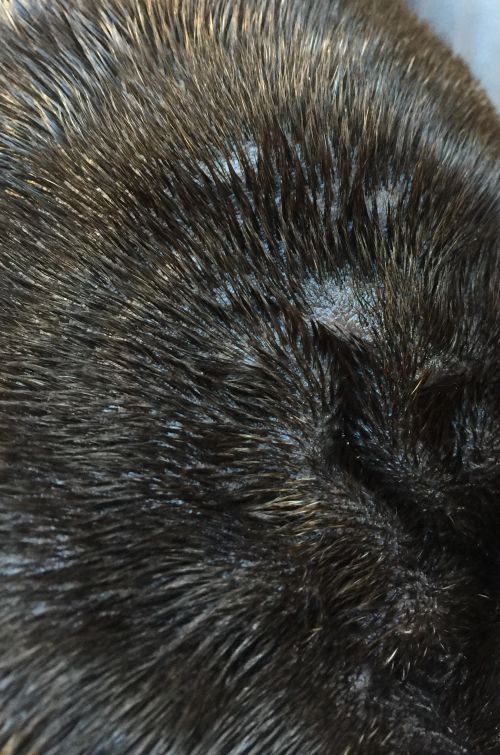
On August 13th I posted a photo of one bald patch. After using ACV and coconut oil topically, and feeding raw honey, organic Greek yogurt, ACV and coconut oil for approx. 10 days the hair was growing back in.

The photo enclosed in this post was just taken today. Seven days ago she had another break out, but this time more hair loss/more balding spots. There is no redness. They come in a little lumpy and the hair falls out. She has been licking her paws a lot but she has no irritation on her paws or anywhere else on her body. Started back with the above regimen five days ago, it is looking better, and the hair loss has subsided.

Initially, after the first break out I thought she may have put her head into a bush that may have had chemicals on it. She is fed raw food and is 2.5 years old - we haven't had any allergy issues but she has been sneezing on and off these last five days and have given her Benedryl the last three days. Eliminated some new grain free chicken treats as I figured out she gets a little rash in her armpits from them.

Thanks in advance for our time! Hopefully this will help someone else too.
Replied by Theresa
(Mpls., Mn)
09/12/2016

I had a frenchie that looked like this, and there were bumps that would come loose with the hair and then the bare patches; I was told it was a staph infection and it was treated as such. That was many years ago, and now looking back I suspect my main problem was a systemic yeast infection. I suspect your dog does have allergies OR a doggy leaky gut [systemic yeast] that is creating sensitivities. Despite the excellent chow you are feeding, if you do not correct the imbalance in the GI tract this will persist. You might consider Ted's Borax protocol for dogs to combat the yeast in the gut from the inside out, and also check out alkalizing the water for these types of break outs also.

Replied by Janice
(Sutherlin, Oregon)
09/17/2016

I thought this was going to be for humans, but then the article started talking about paws!


Atomidine


Posted by Noelle (Elkhorn, Ne, USA) on 10/07/2012
★★★★★

During an experiment using multiple methods to treat warts on a bald, blue dachshund (tendency of thyroid problems and alopecia is high with this color in the dachshund world) I had an unexpected outcome.

My bald dog is growing hair on 100% of his little blue body!! I attribute this to the Atomidine (iodine) I was trying it on a couple of the warts. A friend had a bald dog and gave it Seameal (enzyme supplements)... Main ingredient was kelp. The dog went from completely bald to 100% hair growth. Common denominator here is iodine!


Diet, Check for Thyroid Issues


Posted by Katharine (Charleston, SC) on 11/15/2008
★★★★★

If your animal is losing fur, the most common cause I have seen is one of two things:

1. Diet - make sure your pet is on a good brand of pet food or a raw food diet. A "Good" brand includes something that has NO corn, wheat, soy, or animal by-products. To go a step further without going raw, try a good grain-free diet.

2. Thyroid problems - have a blood panel done to see if your pet's thyroid is functioning properly. I have seen many bald dogs that are all suffering from an under-active Thyroid. After determining if this is the problem, refer to remedies for Thyroid.

Replied by Kathy
(Billings, Mt, Usa)
11/13/2011

Please also check if hormone creams are being used by the owner. My 6 pound dog has had unexplained, frustrating and sad hairloss for two years. I homecook for him. And I have tried everything I can think of, including melatonin, which has shown no results either. I think it is the compounded estrogen cream I have been using, and recently veterinarians are seeing more and more of this cause. Save yourself a lot of money in lab tests which show no results. I will be stopping the estrogen use as of today.

I am asking for help for an estrogen detox for my poor little guy. He is otherwise in great health, but he is young. His liver needs a detox, I think. Any suggestions???


Fur Loss in Cats

Posted by valeri (fairfax, ca) on 10/07/2021

i have a 10 year old cat who is suffering hair loss along her spine- so far I've tried calendula homeopathic cream, stop sting ointment, and vitamin d3---none of these have alleviated the problem- I will put fresh aloe on her today--- the other day I found 2 fleas- it may be an allergy- she is overgrooming- I rub her down with dilute chamomile tea once a week before grooming her and she seems to like that- I saw the suggestions of apple cider vinegar, aloe etc and wondering about dosages for a cat who is under 30 lbs. -- also - she will not eat raw food any longer- and only wants hard food or tuna-- she only ate raw from when she was a kitten- and always was extremely healthy- my son vaccinated her when he got her but she's never had one since---any advice you can give me would be great---- I am considering not offering her anything but raw and see if she will eat it again- again- any suggestions welcome- thank you

Replied by Deirdre
(Ct)
10/07/2021

Hi, I would try either raw or freeze dried raw food. One of my dogs had extreme fur loss and it was 100% related to the food I was giving him. Even cooked food didn't help. No home remedies helped him either other than colloidal silver and that only eased flaking skin, not the fur loss.

He didn't like the frozen raw food, so I started him on freeze dried (Small Batch). His fur started growing back within a week but it took a month or two to fully grow back in. No issues since then and it's been a year and a half. We had to change brands recently because he stopped eating it (I think they had a production issue), but I found another high quality freeze dried that he loves. So if one doesn't work, try another brand. I add a little bit of kibble to it for bulk which helps his digestion. Best of luck, let us know how it goes!


Fur Loss Remedies


Posted by Deborah Zarb Marmara' (Malta) on 04/21/2014

I have a Brittany Spaniel dog who is two and a half years old. For a year he has been getting the same allergy i.e. loses his fur around the corner of his eyes and itches. The vet has prescribed steroids several time. The allergy goes but comes back 3 weeks after the treatment is stopped. I hate giving all these pills to my dog. Currently I am giving my dog Science Plan food.

I'm desperate to find a remedy which is natural and healthy without involving any medicine and pills and whatsoever.

Thanks, Debbie

Replied by Kat B.
(Mt Shasta, Ca)
04/12/2021

Unusual amount of shedding. Was going to try 1000mg of fish oil once a day.. does this sound like a possibility? It's helped in the past with other dogs. She weighs 26 lbs


Fur Loss Remedies
Posted by Mallky (Miami, Florida) on 07/29/2013

My four year old yorkie lost all his hair in the back and legs, only has hair on his head and ears. Have seen two specialist vets: dermatologist, and internist and three other regular vets. Prescribed expensive shampoos, including one with lyme. My dog is so skinny its only the bones covered with a very dry black skin with scabs. Diagnosis ringworm ( never had ringworm symptoms ; ie reddish skin round scab - no never, his skin just got black, lost some of his nails, but all these vets insist it is ringworm. Have been given antibiotics also. Very expensive powder for immune system. I have sprayed him with the apple cider vinegar, used aloe plants and coconut oil and one of my creams of ketoconazole. I am desperate, because he also doesn't like to eat. I would like to try the betadine, lamisil and tea tree oil. Where else can I go? I have spent lots of money in five vets, and my dog is worse. please help if you know a similar case.

Replied by Om
(Hope, Bc, Canada)
07/30/2013
★★★★★

Mallki from Miami. Re your poor dog. Three suggestions. Obtain affordable MMS online from Jim Humble's Website or Real Raw Food in Canada online. Make 20 by 20 drops as per instructions for skin conditions and spray on to dry. He has to wear a cone for the time it takes to dry. This, two to three times a day. My dog is now free from mites after less than two weeks, done twice a day.

You can also try putting him into a box and douse him with turmeric powder. Then you will have a yellow dog. Keep him if you can in an open cage so he does not paint your world yellow. Plus read about turmeric. Alternate with coconut oil. But above all use Essiac tea twice a day; (online) or in health food stores. He needs his immune system raised. So that the immune system can kick in, Essiac will clean him out. Antibiotics will make things much worse. The scabs will come off with ccoconut oil topically as you may have noticed. Use VCO internally and coconut water in syringe to keep him well. Please do not have him vaccinated or pharma medicated as this could be the last straw. Love, Om